
The Best Pour-Over Coffee Makers for 2026: Hario, Kalita, Chemex and More
By Claire Whitmore. Last updated October 2026.
Disclosure: some links on this page are affiliate links, including Amazon links. If you buy through them we may earn a commission at no extra cost to you. It doesn’t change what we recommend. Details are in our affiliate disclosure.
Pour-over is the coffee lover’s ritual: you control every variable, from grind and water temperature to the speed and pattern of your pour, and the reward is a clean, nuanced cup that shows off a bean’s fruit, florals or chocolate. The equipment is inexpensive and beautiful, but dripper shape, hole size and filter type genuinely change the result.
For this guide we compared two independent tests. Serious Eats, whose tester has barista training, brewed with each dripper and judged flavor, body, clarity and ease of use. The Spruce Eats tested a broad range including single-serve and travel brewers, with several staffers using their favorite daily. Their top picks differ, which reflects style more than quality. We haven’t tested these brewers ourselves.
Quick answer: Serious Eats’ favorites are the Hario V60 Ceramic and the Kalita Wave 185, both of which brew classic, well-balanced, smooth coffee with nice clarity. The Spruce Eats’ best overall is the Chemex, ideal for larger batches and the most elegant on the counter. Beginners should look at the forgiving Kalita Wave or the Origami dripper.
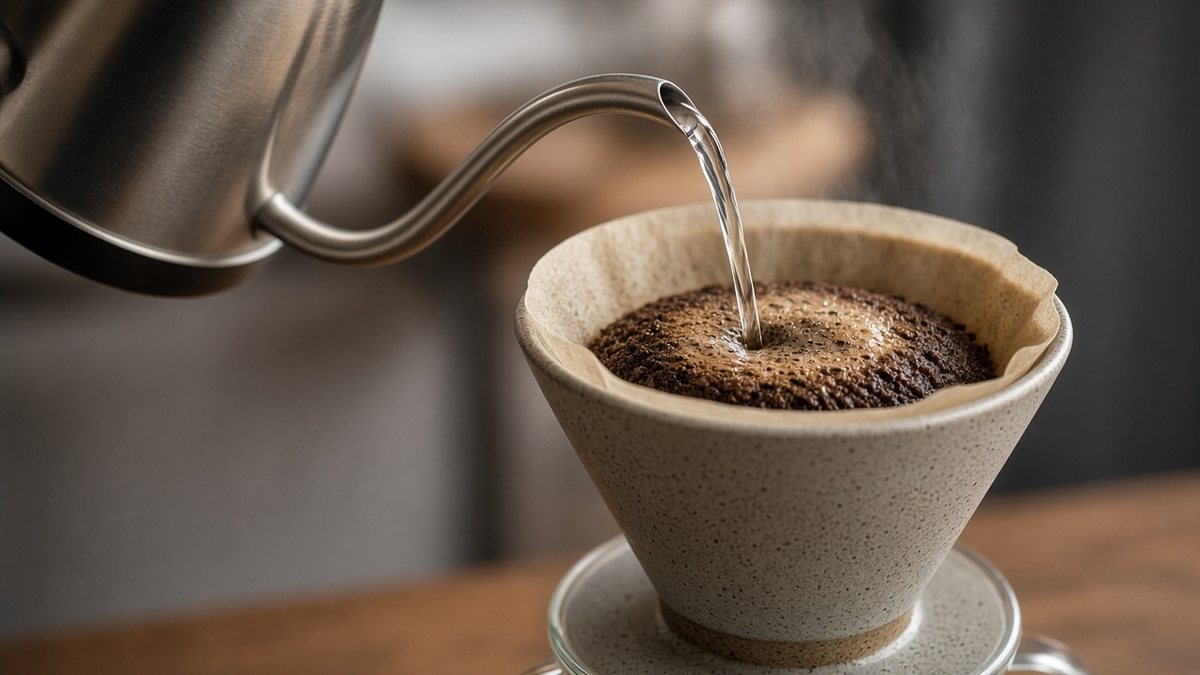
Our picks at a glance
| Brewer | Shape | Material | Source | Best for |
|---|---|---|---|---|
| Hario V60 Ceramic | Cone | Ceramic (also plastic, glass, metal) | Serious Eats: favorite | Control and clarity |
| Kalita Wave 185 | Flat-bottom | Stainless steel | Serious Eats: favorite | Forgiving, durable |
| Chemex Classic | Hourglass carafe | Borosilicate glass | The Spruce Eats: best overall; Serious Eats winner | Larger batches, design |
| Origami Dripper | Fluted cone | Ceramic | Both recommend | Beginners, experimenting |
| MiiR New Standard Carafe | Hourglass carafe | Insulated stainless | Serious Eats winner | Keeping coffee hot |
| Hario Switch | Cone with valve | Glass, steel, silicone | Serious Eats winner | Immersion or pour-over |
| Yeti Rambler Pour-Over | Cone | Insulated stainless | Serious Eats winner | Travel, camping |
| Melitta 1-Cup Porcelain | Wedge cone | Porcelain | The Spruce Eats: best budget | Easiest start |
Cone vs. flat-bottom drippers
Cone drippers like the Hario V60 funnel water toward the center through one large hole, so your pouring technique strongly affects extraction. That gives experts precise control but punishes uneven pours. Flat-bottomed drippers like the Kalita Wave spread water evenly over a bed of grounds and drain through small holes, making them more forgiving. Serious Eats found flat-bottom brewers made weaker coffee in small batches, though. Hourglass carafes like the Chemex use thick filters that brew slowly and produce exceptionally clean coffee.

The best pour-over coffee makers
1. Hario V60 Ceramic Coffee Dripper: best for control
Best for: enthusiasts who enjoy dialing in recipes.
Among the most popular pour-overs, the V60’s cone has 60-degree sides that funnel water to the center and a medium-size hole. Classic recipes in books and online are written for it, and Serious Eats found it brews well-balanced, smooth coffee with nice clarity. It requires a mindful spiral pour, center to edges and back, which takes practice and is easier with a gooseneck kettle.
Hario’s Mugen variant has a smaller hole and minimal ridges to slow brewing for an easier one-pour method, but Serious Eats found its plastic base awkward and unbalanced. The Hario Switch adds a valve so you can toggle between pour-over and immersion brewing, for a bit more money; disassemble it to wash.
Pros
- Benchmark cone
- Excellent clarity
- Huge recipe library
- Many materials
Cons
- Technique-sensitive
2. Kalita Wave 185 Dripper: best for consistency
Best for: beginners and anyone who wants reliable cups.
This lightweight stainless steel flat-bottom dripper is durable enough to survive drops without a dent, and its flat bed and thin wave filters make it more forgiving than a cone, according to Serious Eats. Small batches came out weaker than cone brews, and the wave filters are harder to find in stores, though easy to buy online.
Pros
- Forgiving
- Nearly indestructible
- Balanced, smooth coffee
Cons
- Weaker small batches
- Specialty filters
3. Chemex Classic Series: best for design and larger batches
Best for: households brewing several cups and lovers of iconic design.
The Spruce Eats keeps reaching for the Chemex, which has been made since 1941 and still produces a clean, balanced cup whether beans are bright and fruity or rich and chocolaty. It’s easy to learn yet rewards refinements like pre-wetting the filter, weighing beans and fine-tuning grind. It comes in 3, 6, 8 and 10-cup sizes.
Serious Eats also recommends the 6-cup glass-handle model for big batches and praises its Erlenmeyer-flask-inspired hourglass design. Its thick filters need extra rinsing to remove papery taste, brew more slowly, and the all-glass build is fragile. For a single serving, The Spruce Eats likes the Chemex Funnex.
Pros
- Exceptionally clean cup
- Iconic design
- Multiple sizes
Cons
- Fragile
- Thick filters need rinsing
4. Origami Dripper: best for beginners and experimenting
Best for: new brewers and design lovers.
Its 20 creases let it accept either flat-bottom Kalita Wave or cone filters, so Serious Eats notes you can change the brew style simply by swapping filters. It comes in striking colors. The Spruce Eats named it best for beginners, finding its forgiving design consistently brews balanced coffee with little trial and error. The collar is sold separately, and a loose collar can let the dripper tilt and extract unevenly.
Pros
- Works with two filter styles
- Beautiful colors
- Forgiving
Cons
- Collar sold separately
5. MiiR New Standard Carafe: best insulated
Best for: slow sippers who want hot coffee for longer.
Shaped like a slimmer Chemex but made of vacuum-insulated stainless steel, the 33-ounce MiiR held heat well in Serious Eats’ tests and brewed balanced, classic-tasting coffee with medium body. The top where the filter sits gets very hot, so hold it by the body.
Pros
- Vacuum insulated
- Balanced coffee
- Durable
Cons
- Hot top section
6. Yeti Rambler Pour-Over and Melitta 1-Cup: best for travel and budget
Best for: camping and first-time brewers.
Yeti’s double-insulated stainless cone fits over most mugs and is rugged enough for camping, though standard V60 filters stick out over its short top. The Spruce Eats’ budget pick, the Melitta porcelain cone, is one of the easiest and cheapest ways to brew better coffee; its filters are sold in many grocery stores, and testers found porcelain better than plastic for heat retention, flavor and durability.
Pros
- Yeti is rugged
- Melitta is cheap and easy
Cons
- Yeti filter fit
- Melitta is single-cup
How to brew great pour-over
- Weigh coffee and water; a ratio around 1:16 is a common starting point. A scale with a timer helps.
- Grind fresh and medium-fine for cones, slightly coarser for Chemex; a burr grinder matters. See our best coffee grinders.
- Use a gooseneck kettle for a controlled pour; our best electric kettles guide covers temperature-control models.
- Rinse paper filters with hot water, then bloom the grounds with a small pour for 30 to 45 seconds.
- Pour in slow spirals, adjusting grind if the brew drains too fast (sour) or too slow (bitter).
What to look for
- Shape: cone for control, flat-bottom for forgiveness, carafe for batches.
- Material: ceramic retains heat once preheated; glass is clean and neutral; steel is durable; plastic is cheap and retains heat surprisingly well.
- Capacity: single-cup drippers vs. 6- to 10-cup carafes.
- Filters: check availability and cost; reusable metal filters add body and sediment.
FAQ
Is pour-over better than drip?
It offers more control and clarity; a good automatic brewer is more convenient. Compare our best drip coffee makers.
Do I need a gooseneck kettle?
Not strictly, but it makes even pouring much easier, especially with a V60.
Which dripper is best for beginners?
The Kalita Wave or Origami, both forgiving designs.
Why does my pour-over taste sour or bitter?
Sour usually means under-extraction (grind finer); bitter means over-extraction (grind coarser).
The bottom line
Choose the Hario V60 if you enjoy technique, the Kalita Wave for easy consistency, and the Chemex for elegant larger batches. Add a burr grinder, scale and gooseneck kettle, and you’ll brew café-quality coffee at home.


