Is a Luxury Mattress Worth It? What $2,000+ Really Buys (2026)
By Claire Whitmore. Last updated October 2026.
Disclosure: some links on this page are affiliate links, including Amazon links. If you buy through them we may earn a commission at no extra cost to you. It doesn’t change what we recommend. Details are in our affiliate disclosure.
A queen mattress can cost a few hundred dollars or several thousand. Both arrive in your bedroom looking like a white rectangle, and both promise better sleep. So what does the extra money buy, and is it worth it?
This guide answers that question honestly. We compared what Sleep Foundation’s lab, which says it has rated more than 2,000 mattresses, and AARP’s tester panel found across value and luxury beds, and we looked at what the premium brands include in their prices: materials, delivery, trials and warranties. We haven’t slept on these beds ourselves. Where we cite a score or a policy, we say whose it is.
The short answer: a luxury mattress is worth it if you’ll use what you’re paying for, such as more firmness choices, zoned support, better cooling, stronger edges, white-glove delivery or a longer trial. It isn’t worth it if you’re paying for a thicker profile and a brand name. Some of the best-scoring beds in Sleep Foundation’s 2026 testing cost well under $2,000.

Quick verdict
| Worth paying more if… | Probably not worth it if… |
|---|---|
| You sleep hot and want coil airflow and breathable covers | You sleep cool and like the feel of a basic foam bed |
| You have back or hip pain and need zoned support | You’re furnishing a guest room used a few nights a year |
| You want white-glove setup and old-mattress removal | You’re happy to unbox a bed-in-a-box yourself |
| You’re heavier and need durable, high-density materials | You’ll likely move or replace the bed within a few years |
| You and a partner need different firmness or strong edges | You’re choosing mainly on thickness or marketing language |
What the extra money actually buys
1. Better materials, which usually means better durability
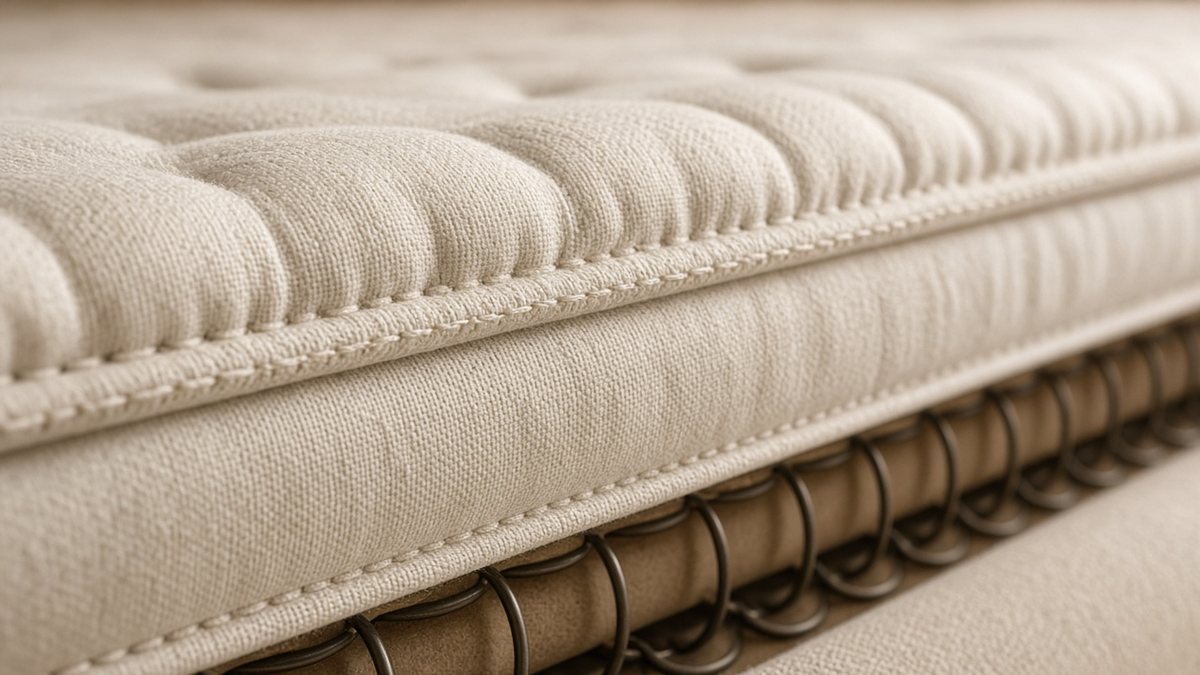
The biggest real difference between cheap and premium beds is what’s inside. Luxury hybrids tend to use more coils denser foams, natural latex, wool or organic cotton. Denser materials resist body impressions longer. Sleep Foundation estimates typical lifespans of about 6 to 7 years for foam beds and 6.5 to 7.5 years for hybrids, and notes that material quality, body weight and care matter more than the mattress type. Spreading $2,000 over eight good years is about 70 cents a night. A cheaper bed that sags in four years can cost more per night.
2. More precise support
Premium beds are more likely to use zoned coils or foam that firm up under the hips and soften under the shoulders. That’s why the WinkBed, Helix Midnight Luxe and Bear Elite Hybrid rank highly for back pain in Sleep Foundation’s testing. They’re also more likely to offer several firmness levels. The WinkBed comes in four and the Saatva Classic in three, so you can match the bed to your weight and position instead of accepting one medium-firm compromise.
3. Cooler sleep
Coils let air move, and breathable covers help. Sleep Foundation gave the Saatva Classic a perfect 10 for temperature control. All-foam budget beds can sleep warm. If you wake up hot, our cooling mattress guide goes deeper.
4. Service
This is the most overlooked line item. Saatva includes free white-glove delivery, setup and removal of your old mattress. Sleep Foundation calls Saatva one of the only online brands to do so. Moving a 100-pound mattress up a staircase is no small thing. Most premium brands also offer long trials and lifetime warranties, though many require a 30-night break-in and some charge return fees.
5. What it doesn’t buy
Thickness alone isn’t quality. Neither are trademarked foam names, or a “hotel” label. And no price buys a bed that suits everyone. Sleep Foundation’s top-rated bed is a medium-firm hybrid that still scores lower for heavier stomach sleepers. Fit to your body matters more than price.
Value vs luxury: what testing shows
| Mattress | Tier | Sleep Foundation score | What stands out |
|---|---|---|---|
| Brooklyn Bedding CopperFlex Memory Foam | Value | 8.8 | Strong pressure relief and motion isolation for the money |
| Helix Midnight Luxe | Premium | 9.7 | Best overall; 9.5 for pressure relief and edges |
| Saatva Classic | Luxury innerspring | 9.5 | 10 for cooling; free white-glove delivery |
| WinkBed | Premium | 9.4 | Four firmness levels; best for back pain |
| Leesa Sapira Chill Hybrid | Premium | 9.0 | Well-rounded hybrid with a cooling cover |
| Saatva Rx | Top tier | 8.5 | Built for chronic pain and pressure relief |
Prices are Sleep Foundation’s listed queen prices and change often.
The pattern is clear. Spending more tends to buy better cooling, edges and options, and the top scores belong to premium hybrids rather than the most expensive beds. Above that, you’re paying for specialized designs or service rather than a better score.
The luxury mattresses that earn their price
1. Saatva Classic: the luxury innerspring that justifies its price
Best for: hot sleepers, back and stomach sleepers, and anyone who wants delivery handled for them.
The Saatva Classic is Sleep Foundation’s best luxury innerspring (9.5), with a perfect 10 for temperature control. Its weak spot is motion isolation, which scored 6.5. It uses a Euro-top over pocketed minicoils and tempered-steel coils, comes in three firmnesses and two heights (11.5 and 14.5 inches), and includes free white-glove delivery. Sleep Foundation lists a 365-night trial with a $99 return fee.
Pros
- Excellent cooling
- Three firmnesses, two heights
- Free white-glove setup and removal
Cons
- Weak motion isolation (6.5) for couples
- Return fee
2. Helix Midnight Luxe: the best all-rounder
Best for: side and back sleepers and couples who want one bed that does everything well.
Sleep Foundation’s top mattress of 2026 (9.7) earned 9.5 for pressure relief. AARP also named it its best overall for back pain. Sleep Foundation lists a 365-night trial with a 30-night break-in and a lifetime warranty. Because it’s priced below the Saatva, it shows that the very best score doesn’t require the very highest price.
Pros
- Top lab scores across the board
- Zoned coils
- Long trial and lifetime warranty
Cons
- One firmness only
- Memory foam can feel slow to move on
3. WinkBed: the most choice
Best for: people who know exactly how firm they like a bed, and people with back pain.
Four firmness levels, including a latex Plus model for heavier sleepers, plus a Euro-top and zoned coils. Sleep Foundation calls it its most comfortable mattress and its best for back pain. Sleep Foundation lists a 120-night trial and notes some off-gassing when new.
Pros
- Four firmness options
- Zoned coils and Euro-top
Cons
- Shorter trial than many rivals
- Initial odor
4. Saatva Rx: the specialist
Best for: people with chronic pain or pressure sensitivity.
The Rx is the priciest bed in Saatva’s lineup. Sleep Foundation rates it best for spinal alignment. It only makes sense if you have a specific need it was designed for. Otherwise the Classic gives you most of Saatva’s advantages for less.
Pros
- Designed for pain relief
- White-glove included
Cons
- Expensive
- Soft feel doesn’t suit everyone
5. Leesa Sapira Chill Hybrid: the balanced all-rounder
Best for: couples and combination sleepers who want a balanced hybrid feel.
Sleep Foundation rates the Sapira Chill Hybrid 9.0 in its 2026 roundup. It pairs foam comfort layers with pocketed coils under a cooling cover, landing in the balanced middle: not as contouring as the Helix, not as springy as the Saatva. It’s a good example of a premium bed whose extra cost buys solid all-round performance rather than one headline feature.
Pros
- High overall score
- Balanced hybrid feel
Cons
- Not as specialized as zoned back-pain beds
- Check current trial and return terms
6. Brooklyn Bedding CopperFlex Memory Foam: the case against overspending
Best for: guest rooms, first apartments, and side or back sleepers on a budget.
Sleep Foundation’s value pick (8.8) costs a fraction of the luxury beds and still stands out for pressure relief and motion isolation. If you sleep cool and like memory foam, this bed is a reminder that you don’t have to spend luxury money to sleep well. Sleep Foundation notes off-gassing and a $99 return fee.
Pros
- Huge value
- Good pressure relief and motion isolation for the price
Cons
- Can feel hard to move on
- Less durable than premium hybrids
A simple cost-per-night test
Divide the price by the nights you expect to sleep on it. Over seven years, a $2,000 bed costs about 78 cents a night and a $700 bed about 27 cents. The question isn’t whether the expensive bed is better in the abstract. It’s whether it’s 51 cents a night better for you. If it eases a sore back, stops you waking up hot or saves you from a sagging bed in year four, it probably is. If you’d choose it mainly for the label, it probably isn’t.
Count the extras too. Delivery, old-mattress removal, a new foundation, deep-pocket sheets for a taller bed and any return fee all belong in the comparison. White-glove service bundled into the price can make a seemingly expensive bed competitive.
How to get luxury quality for less
- Shop the holiday sales. Mattress prices drop around Black Friday (November 27, 2026), Presidents Day and Memorial Day. The prices listed in reviews are rarely what people pay.
- Skip the upsells you won’t use. Taller profiles and cooling covers cost extra. Buy them only if you sleep hot or need the height.
- Invest in the base and bedding. A great mattress on a sagging foundation won’t feel great. Good sheets and pillows do more for the luxury feel than an extra two inches of foam.
- Use the trial. Sleep on it for at least 30 nights before deciding.
How we researched this guide
We don’t test mattresses in-house. We built this guide from Sleep Foundation’s 2026 best-mattress and back-pain testing, AARP’s 2026 back-pain testing and the brands’ own published materials and policies. Scores, prices and trial terms come from those sources and will change, so check before buying.
FAQ
Are expensive mattresses really better?
Often, but not always. Premium beds tend to have better materials, cooling, edges and service. Sleep Foundation’s value pick, though, scores within a point of beds that cost three times as much.
How much should I spend on a good mattress?
Sleep Foundation says a quality mid-level queen typically costs $500 to $1,500. Premium hybrids cost more, but the highest scores don’t belong to the most expensive beds.
How long does a luxury mattress last?
Sleep Foundation estimates 6.5 to 7.5 years for a hybrid. Denser, higher-quality materials and a solid base tend to extend that.
Is Saatva worth the money?
For many buyers, yes. The Saatva Classic scored 9.5 with Sleep Foundation and includes free white-glove delivery and removal.
What’s the best time to buy a luxury mattress?
Major holiday sales, especially Black Friday and Cyber Monday, when most brands run their deepest discounts.