Is a Home Cold Plunge Worth It? Costs, Evidence and Who Should Buy (2026)
By Claire Whitmore. Last updated October 2026.
Disclosure: some links on this page are affiliate links, including Amazon links. If you buy through them we may earn a commission at no extra cost to you. It doesn’t change what we recommend. Details are in our affiliate disclosure.
Cold plunging has a devoted following and a lot of hype. A good home tub with a chiller costs thousands of dollars, so it’s worth separating what the evidence supports from what social media promises before you buy.
This guide answers one question: is a home cold plunge worth the money? We looked at cost data from Tendground and Find Cold Plunge, Harvard Health’s summary of a 2025 analysis of 11 studies, National Geographic’s reporting on the science, and tub recommendations from Garage Gym Reviews, CNN Underscored, Forbes Vetted and Business Insider. We haven’t tested cold plunges ourselves, and this isn’t medical advice.
The short answer: a home cold plunge is worth it if you already enjoy cold exposure, will use it at least several times a week, and value the routine itself: a short, bracing reset that many people find improves how they feel. It isn’t worth it if you’re buying for miracle health claims, if you’d use it only occasionally, or if you have a heart condition.

What a home cold plunge costs
| Option | Typical cost | Notes |
|---|---|---|
| DIY or inflatable tub | About $150-500 | Needs ice; least durable |
| Premium barrel (e.g. Ice Barrel 300/500) | About $1,150-1,750 | Needs ice; sturdier |
| Tub with chiller | About $2,000-5,000 | Cold water on demand, filtration |
| Premium all-in-one or hot/cold | $6,000+ | App control, heating, outdoor builds |
| Home running costs | About $40-110 a month | Electricity, filters, sanitizer |
| Studio membership | About $179 a month on average | No equipment or upkeep |
| Studio drop-in | About $45-55 a session | Good for trying it |
Costs from Tendground and Find Cold Plunge; Ice Barrel prices from Sun Home’s July 2026 roundup. Check current prices.
The cost per session
The case for a home plunge is mostly about frequency. Find Cold Plunge puts the average studio membership at about $179 a month and drop-ins at $45 to $55 a session. It estimates that a home plunge used four or more times a week works out to under $10 a session once you spread the purchase over time.
Here’s a simple example. Suppose a chiller tub costs $5,000 and you spend $75 a month to run it. Used four times a week (about 208 sessions a year), the first year costs about $5,900, or roughly $28 a session. By year three, the total is about $7,700 across 624 sessions, or about $12 a session. That beats drop-ins quickly and approaches a membership’s value over a few years, with the bonus of zero travel time. Used once a week, it’s poor value. These are illustrative numbers, so plug in your own.
What the research actually shows
Harvard Health summarized a 2025 analysis in PLOS One that pooled 11 studies on cold-water immersion. It found temporary reductions in stress, better sleep and small improvements in quality of life. It found little evidence for claims about mood or immunity. National Geographic has reported that researchers are pushing back on the bigger claims that circulate online.
There’s also a trade-off for lifters. Harvard Health notes that cold immersion right after strength training may blunt gains in muscle size and strength. If building muscle is your priority, plunge well before or apart from your lifting sessions.
Safety matters too. Harvard Health says cold-water immersion isn’t recommended for people with heart disease or arrhythmia, because the cold shock raises heart rate and blood pressure. Talk to your doctor first if you have any cardiovascular condition.
The real reasons people love it
Owners rarely talk about studies. They talk about the routine: a few minutes of intense cold that forces focus, followed by a warm glow. For many people it’s a daily ritual like morning coffee. If that appeals to you, the value is real even if the science on bigger claims is still settling. If it doesn’t, no tub will change that.
When a home cold plunge is worth it
- You’ve tried cold plunging at a studio or gym and want to do it several times a week.
- You live far from a studio, or travel time is the main barrier.
- You’d share it with a partner or family, which lowers the cost per session.
- You’re building a home spa and want a sauna and plunge contrast routine.
- You have the space, a level base, power and an easy way to drain it.
When it isn’t
- You’ve never tried it. Book a few studio sessions first.
- You’d plunge once a week or less. A studio is cheaper.
- You have a heart condition or your doctor advises against it.
- You’re buying for promised benefits to immunity or mood, which the evidence doesn’t firmly support.
- You have nowhere to put a heavy tub, or you rent and can’t install one.
Cheaper ways to try it first
You don’t need to spend thousands to find out whether you’ll stick with it. Studio drop-ins, cold showers or a bathtub with ice all give you a feel for the habit. An inflatable or a barrel is a middle step. If you use it consistently for a few months, upgrading to a chiller makes sense.
If you buy, which tub?
Our full guide to the best cold plunge tubs covers the options in detail. In brief:
1. The Plunge: best overall
Best for: daily plungers who want durability.
Garage Gym Reviews’ best overall (4.23 out of 5) and CNN Underscored’s top pick. CNN calls it the most durable it tried, with a chiller, optional heater and filtration.
Pros
- Two independent top picks
- Durable
Cons
- Premium price
2. Sun Home Cold Plunge: best overall alternative
Best for: buyers who want a highly rated chiller tub.
Forbes Vetted and Business Insider’s best overall. Sun Home lists its horizontal tub at about $3,999.
Pros
- Highly rated
- Mid-range price for a chiller tub
Cons
- Prices come from the brand’s own site
3. Ice Barrel 500: best without a chiller
Best for: tall plungers and anyone testing the habit.
Business Insider’s pick for tall people, listed at about $1,749.99. It relies on ice or cold weather rather than a chiller.
Pros
- No electrical work
- Tall upright design
Cons
- Needs ice
4. An inflatable tub: best way to test the habit
Best for: trying cold plunging for less.
Garage Gym Reviews rates Sun Home’s inflatable as its best inflatable. Tendground puts budget setups at about $150 to $500.
Pros
- Cheap
- Easy to store
Cons
- Needs ice
- Less durable
5. Renu Therapy Cold Stoic 3.0: best hot and cold
Best for: households that want one tub for cold plunges and warm soaks.
Garage Gym Reviews’ hot-and-cold pick, listed at about $11,399 in Sun Home’s roundup. Heating adds versatility but raises running costs.
Pros
- Two uses in one
- Premium build
Cons
- Very expensive
Home plunge vs the alternatives
| Option | Upfront cost | Convenience | Best for |
|---|---|---|---|
| Cold shower | None | Daily, instant | Building the habit for free |
| Studio drop-in | About $45-55 a visit | Travel required | Trying plunging properly |
| Studio membership | About $179 a month on average | Travel required, plus social atmosphere | Regular plungers who like a studio and often pair it with sauna |
| Ice barrel or inflatable | About $150-1,750 | At home, but needs ice | Testing a home habit |
| Chiller tub | About $2,000-6,000+ | At home, ready any time | Committed, frequent plungers |
Costs from Tendground, Find Cold Plunge and Sun Home’s July 2026 roundup.
Getting the most from a home plunge
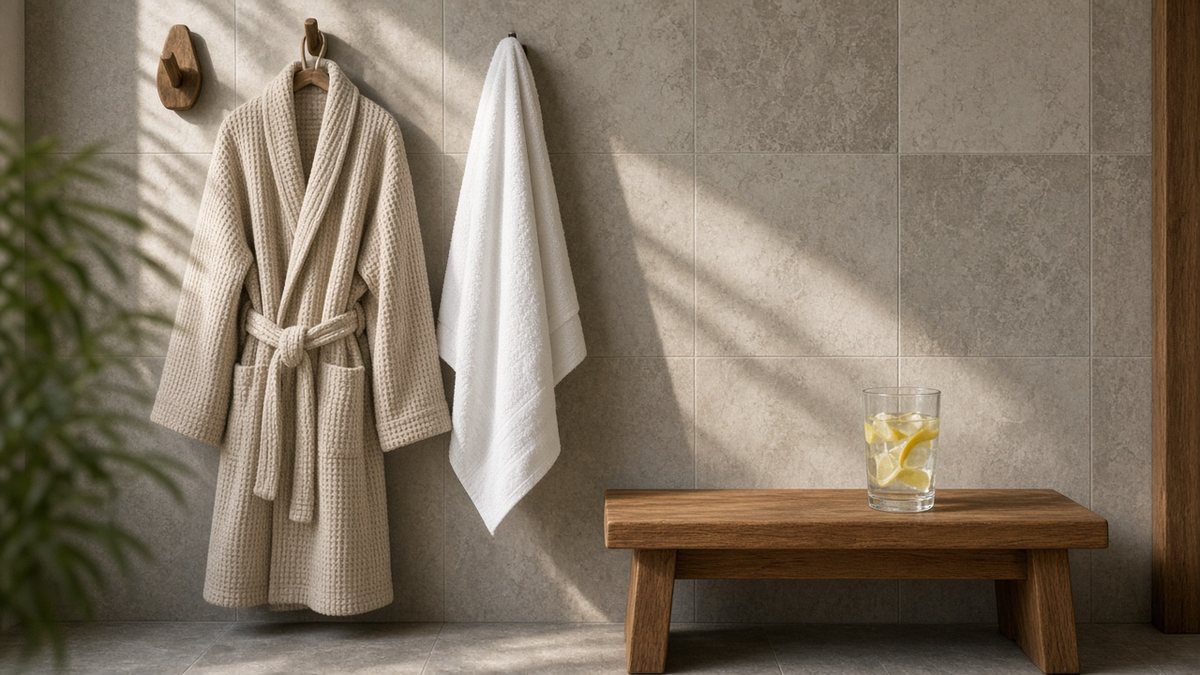
If you do buy, a few habits make the investment pay off. Put the tub where you’ll pass it every day, not tucked away in a corner of the yard. Keep a towel, robe and sandals right beside it so there’s no friction. Pair it with something warm afterward, whether that’s a shower, a sauna or simply a hot drink. Track how often you use it for the first couple of months. If you’re plunging several times a week, the purchase is doing its job.
Keep up with water care. A tub that smells or looks cloudy quickly stops being inviting. Change filters on schedule, keep the cover on and follow the maker’s sanitizing instructions. And respect the cold: start with short sessions, get out if you feel unwell, and never let children use the tub unsupervised.
Hidden costs and upkeep
Budget for more than the tub. You’ll need filters, sanitizer, a cover, possibly a level pad outdoors and electrical work if the chiller needs a dedicated circuit. Water must be changed periodically, so plan where it will drain. Ice-based tubs add a steady ice bill. These costs are why Find Cold Plunge’s running-cost range of $40 to $110 a month is a sensible planning figure.
How we researched this guide
We don’t test cold plunges in-house. Cost data comes from Tendground and Find Cold Plunge. The health summary draws on Harvard Health’s coverage of a 2025 PLOS One analysis and National Geographic’s reporting. Tub picks come from Garage Gym Reviews, CNN Underscored, Forbes Vetted and Business Insider, with prices from Sun Home’s July 2026 roundup (a brand source). This isn’t medical advice.
FAQ
Is cold plunging good for you?
A 2025 analysis of 11 studies found temporary stress reduction, better sleep and small quality-of-life gains, but little evidence for mood or immunity benefits, according to Harvard Health.
How much does it cost to run a cold plunge at home?
Find Cold Plunge estimates about $40 to $110 a month for electricity and water care.
Is a home cold plunge cheaper than a membership?
If you plunge four or more times a week for a few years, usually yes. Find Cold Plunge estimates under $10 a session at that frequency, against about $179 a month for an average membership.
Does cold plunging hurt muscle gains?
Harvard Health notes that cold immersion right after strength training may blunt gains. Separate it from lifting sessions if muscle is your goal.
Who shouldn’t cold plunge?
Harvard Health says it isn’t recommended for people with heart disease or arrhythmia. Check with your doctor if you have a medical condition.