The Best Fire Pits for Your Backyard (2026)
By Claire Whitmore. Last updated October 23, 2026.
Disclosure: some links on this page are affiliate links, including Amazon links. If you buy through them we may earn a commission at no extra cost to you. It doesn’t change what we recommend. Details are in our affiliate disclosure.
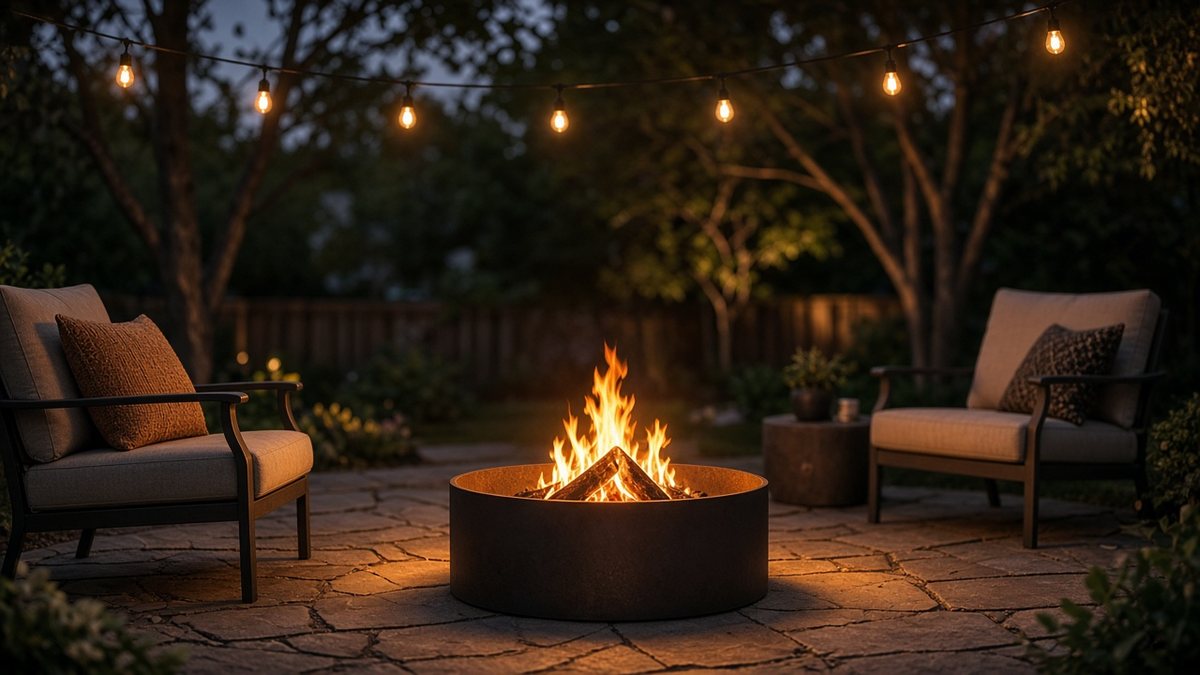
A fire pit is the cheapest way to make a backyard feel like a destination. It extends the season, draws people outside after dinner and gives everyone something to gather around. But fire pits vary enormously, from thin, rusting bowls that last a season to heavy-gauge steel pits built to last decades, and from smoky open fires to low-smoke designs and clean-burning propane tables.
This guide answers one question: which fire pit is right for your space, your fuel preference and how you’ll use it? We compared hands-on testing from OutdoorGearLab, America’s Test Kitchen, Good Housekeeping and Bob Vila with manufacturer specifications and warranty terms. We haven’t tested these pits ourselves; every figure is credited. Prices change often, so check current listings.
The short answer: for most backyards, the Solo Stove Bonfire 2.0 is the best wood-burning pit, light, low-smoke and easy to clean. For a heavier, permanent pit you can cook on, choose a Breeo X Series. For no smoke, no ash and fire-ban flexibility, a propane pit like the Outland Living Mega.
Our picks at a glance
| Fire pit | Fuel | Weight (reported) | Standout | Best for |
|---|---|---|---|---|
| Solo Stove Bonfire 2.0 | Wood (pellet adapter sold separately) | 21.2 lb (OutdoorGearLab) | Low smoke, removable ash pan | Best overall wood pit |
| Breeo X Series | Wood | 62 lb (X24, Good Housekeeping) | Solid steel, made in USA | Permanent pits and cooking |
| Breeo X19 Grilling Bundle | Wood | Lighter than X24 | America’s Test Kitchen best overall | Live-fire cooks |
| Solo Stove Yukon 2.0 | Wood | About 42 lb | ~70-min burn (OGL) | Large groups |
| Outland Living Mega | Propane | 25 lb | 58,000 BTU, 400-min burn | Fire bans, clean burning |
| Barebones Cowboy Fire Pit Grill 23″ | Wood | Lighter than Breeo | ATK best portable | Portable cooking |
| BioLite FirePit+ | Wood or charcoal | Check listing | Fan-assisted airflow | Tech lovers |
How to choose a fire pit
Wood or propane?
Wood gives you crackle, real radiant heat and the campfire smell, along with smoke, ash and sparks. Propane gives you instant on and off, an adjustable flame, no ash and often permission to burn during wood-fire bans, but less heat. OutdoorGearLab found the Outland Living Mega’s 58,000 BTU output provides solid warmth but won’t match the radiant heat of a big wood pit like the Solo Stove Yukon 2.0. Propane pits also cool down much faster than a wood pit full of embers.
Smokeless designs
Double-walled “smokeless” pits from Solo Stove, Breeo and others pull air through the walls and release it near the rim to re-burn smoke. They aren’t truly smokeless, especially on lighting or with damp wood, but they’re a dramatic improvement over open bowls. Our Solo Stove vs Breeo comparison goes deep on the two leading brands.
Steel thickness and material
Thin steel and painted finishes are why cheap fire pits rust through in a few seasons. Check the steel gauge where makers publish it; lower gauge numbers are thicker. Stainless resists corrosion; Corten develops a protective rust patina by design but can stain patios.
Size and heat
Bigger pits warm bigger circles but burn more wood. Smaller pits like the Breeo X19 or Solo Stove Bonfire suit a few people; step up to an X24 or Yukon for regular gatherings. Double-walled pits send much of their heat upward, so sit closer than you would to an open fire.
Warranty
Warranty terms vary widely, and many cover manufacturing defects but exclude rust or heat damage. Read the current terms on the maker’s site before you buy, and favor brands that publish them clearly.
The best fire pits
1. Solo Stove Bonfire 2.0: best overall wood pit
Best for: most backyards and patios.
The Bonfire 2.0 is a favorite across major review sites. OutdoorGearLab measured it at 21.2 pounds, recorded about a 60-minute burn in its tests and a 16-inch maximum log length, and listed it at $350. Good Housekeeping weighed it at 21.8 pounds and found it for roughly $270 to $300, noting the mesh lid is sold separately. Its double-wall design burns with noticeably less smoke than an open bowl, and a removable ash pan makes cleanup easy.
Downsides: it holds fewer logs than bigger pits, much of its heat rises rather than radiating outward, and OutdoorGearLab stresses you need a stand on any deck.
Pros
- Low smoke
- Light and easy to move
- Removable ash pan
Cons
- Needs a stand on decks
- Less radiant heat
- Smaller log capacity
2. Breeo X Series: best permanent pit
Best for: a fire pit that stays in one place for years.
Breeo’s X Series is made in the USA from heavy steel in stainless or Corten finishes, with a double-wall smokeless design. Good Housekeeping weighed the X24 at 62 pounds, nearly three times the Bonfire, and that mass is why Breeo pits feel so solid. Sizes range from the compact X19 to much larger models, and Breeo sells cooking accessories that fit the rim.
It’s heavy, pricier than Solo Stove, and Corten’s protective rust patina can stain light patios, so choose stainless for pale pavers.
Pros
- Very sturdy steel
- Made in the USA
- Cooking-ready accessory system
Cons
- Heavy
- Expensive
- Corten can stain
3. Breeo X19 Grilling Bundle: best for cooking
Best for: people who want to grill over live fire.
America’s Test Kitchen named the Breeo X19 Grilling Bundle its best overall fire pit in its cooking-focused testing. The bundle pairs the compact X19 with Breeo’s adjustable grilling surface, so you can raise or lower food over the coals. It’s the pick for anyone who sees a fire pit as an outdoor cooking tool as much as a heater.
The bundle costs more than the pit alone, and the X19 is sized for smaller groups.
Pros
- Top-rated by ATK for cooking
- Adjustable grilling
- Low smoke
Cons
- Pricier with accessories
- Small for big groups
4. Solo Stove Yukon 2.0: best for big groups
Best for: large patios and frequent entertaining.
OutdoorGearLab found the Yukon 2.0 burned longer than the Bonfire, about 70 minutes in its testing, and weighed it at roughly 42 pounds. The larger firebox throws more heat across a wider circle, which matters when you’re seating six or more.
It’s pricier, less portable and burns more wood.
Pros
- More heat
- Longer burns
Cons
- Heavy
- Uses more wood
5. Outland Living Mega: best propane fire pit
Best for: fire-ban areas, campers and anyone who hates smoke and ash.
OutdoorGearLab tested the Outland Living Mega at 58,000 BTU, recorded a 400-minute burn time and a 25-pound weight, and listed it at $215. It produces no smoke or ash, and propane pits are often permitted where wood fires aren’t (check local rules).
It uses a manual igniter, and OutdoorGearLab found its warmth doesn’t match a big wood fire.
Pros
- No smoke or ash
- Long burn time
- Often allowed during wood bans
Cons
- Less heat than wood
- Manual igniter
6. Barebones Cowboy Fire Pit Grill 23″: best portable cooking pit
Best for: cooks who want a lighter, rustic cooking pit.
America’s Test Kitchen named it the best portable option in its fire-pit testing, a rustic pit-and-grill combination that’s easier to move than a heavy Breeo.
ATK found it gives off more smoke and is more prone to rust, so cover it and store it dry.
Pros
- Portable
- Built for cooking
Cons
- More smoke
- Rust-prone
7. BioLite FirePit+: best high-tech pick
Best for: gadget lovers and anyone who wants control over smoke and flame.
Bob Vila named the BioLite FirePit+ its best tech fire pit. It uses a battery-powered fan to feed air to the fire, which helps it burn cleanly and lets you adjust the flame, and it can burn wood or charcoal. Bob Vila’s runner-up overall was Breeo’s Y Series, worth a look if you want a Breeo with a different form.
It depends on a charged battery for its best performance, and it’s smaller than a typical backyard pit.
Pros
- Adjustable airflow
- Wood or charcoal
- Portable
Cons
- Needs charging
- Smaller fire

Where to put a fire pit
Place your pit on a level, non-combustible surface such as pavers, gravel or concrete, well away from the house, fences, overhanging branches, umbrellas and outdoor furniture cushions. Follow the manufacturer’s clearance guidance and your local fire code; many towns restrict wood fires and require specific distances. On decks, use the manufacturer’s stand or a proper heat shield, or choose propane. Plan seating in a comfortable circle; our outdoor sofa guide and patio ideas can help.
Safety essentials
- Keep a hose, extinguisher or bucket of sand nearby.
- Never use gasoline or lighter fluid to start a wood fire.
- Burn only dry, untreated hardwood.
- Use a spark screen in dry or windy conditions and around children and pets.
- Never leave a fire unattended, and fully extinguish it before going inside.
- Let ash cool completely, ideally for a day, before disposing of it in a metal container.
Cooking over your fire pit
Cooking turns a fire pit into an outdoor kitchen. Breeo’s system is built for it, and Solo Stove sells grill accessories too. Start simple with skewers, burgers and vegetables, and use a long-handled grill brush and gloves. For pizza, a dedicated oven works far better; see our pizza oven guide.
Budget and value
Cheap steel bowls cost little but often rust through within a few seasons. A well-built pit costs more upfront but can last years with a cover and proper care. Factor in accessories such as a stand, lid and spark screen, which can add significantly to the price, and look for bundle deals around holiday sales.
Caring for your fire pit
Empty ash once it’s completely cold, keep the pit covered or under a lid between uses, and store portable pits in a dry place over winter. Brush off debris and check for rust spots each season. Corten is designed to develop a stable patina, but stainless and painted steel last longer when kept dry.
FAQ
What’s the best fire pit for a small patio?
A compact low-smoke pit like the Solo Stove Bonfire 2.0 or Breeo X19, or a propane pit if smoke and sparks are a concern.
Are smokeless fire pits worth it?
For most people, yes. They burn far cleaner than open bowls once hot, though they still smoke on lighting and with damp wood.
Wood or propane fire pit?
Wood for heat and atmosphere; propane for convenience, no ash and fire-ban areas.
Can I put a fire pit on a wooden deck?
Only with the maker’s stand or heat shield and following their guidance; propane is generally safer for decks.
How long do fire pits last?
It depends on steel thickness and alloy. Heavy-gauge stainless or Corten lasts far longer than thin painted steel.
When do fire pits go on sale?
Often around Black Friday and Cyber Monday (November 27 and 30, 2026) and at the end of summer.
The bottom line
For most backyards, the Solo Stove Bonfire 2.0 is the best fire pit: low smoke, light and easy to clean. Choose a Breeo X Series for a heavy, permanent, cook-ready pit, and the Outland Living Mega for clean-burning propane. Whatever you buy, place it safely and burn dry hardwood.
Related LifetimeLuxury guides
- Solo Stove vs Breeo
- The best outdoor pizza ovens
- The best outdoor sofas
- Luxury patio ideas
- Luxury deck ideas
- Is a Solo Stove worth it?
- The best patio heaters
- The best robot lawn mowers
- The best outdoor speakers
- The best cordless leaf blowers
- The best smart bird feeders
- The best smart Christmas lights