The Best Cast-Iron Skillets for 2026: Why Lodge Still Wins
By Claire Whitmore. Last updated October 2026.
Disclosure: some links on this page are affiliate links, including Amazon links. If you buy through them we may earn a commission at no extra cost to you. It doesn’t change what we recommend. Details are in our affiliate disclosure.
A cast-iron skillet is one of the few kitchen tools that can last generations, and one of the cheapest great pans you can buy. It holds heat for a hard sear, goes from stove to oven to campfire, and gets more nonstick with every use. The best one isn’t the most expensive; it’s the one that’s affordable, well made and light enough that you’ll actually reach for it.
Our picks come from Wirecutter’s guide to cast-iron skillets, which has tested more than a dozen pans over years, searing steaks, baking cornbread, frying eggs and roasting, and has long-term tested its picks in staff kitchens. We haven’t tested these ourselves, and prices change often.
Quick answer: the Lodge Chef Collection 12-inch Skillet is the cast-iron pan we’d buy for most people, because it’s lighter and easier to handle than the classic. The Lodge Pre-Seasoned 12-inch Skillet is the better choice if you want maximum depth and capacity at a rock-bottom price.

Our picks at a glance
| Pick | Weight | Best for | Approx. price* |
|---|---|---|---|
| Lodge Chef Collection 12-inch | About 6.5 lb | Best overall; easier to lift and toss | Typically under $50 |
| Lodge Pre-Seasoned 12-inch (Classic) | About 8.5 lb | Most capacity, lowest price | About $25 to $35 |
*Prices from Wirecutter’s buying links at the time of writing.
The best cast-iron skillets
1. Lodge Chef Collection 12-inch Skillet: best overall
Best for: everyday cooks who want cast iron’s performance without wrestling an 8-pound pan.
Lodge’s Chef Collection skillet weighs about 6.5 pounds, roughly 2 pounds less than the classic 12-inch Lodge, which makes a real difference when you’re lifting a full pan from the oven or flipping vegetables. Its sloped sides make it easier to slide a spatula under food and to toss ingredients, and its longer, more ergonomic handle and roomy helper handle give a confident grip.
Like other Lodge pans it comes pre-seasoned and is made in the US. It sears and bakes as evenly as pans costing several times more in Wirecutter’s testing. The trade-off is slightly less capacity than the deeper classic.
Pros
- Noticeably lighter than the classic
- Sloped sides for tossing and flipping
- Comfortable handles
- Affordable
Cons
- Less capacity than the classic
- Surface is still pebbly, not machined smooth
2. Lodge Pre-Seasoned 12-inch Skillet: best classic and budget pick
Best for: cooks who want the deepest pan for the least money and don’t mind the weight.
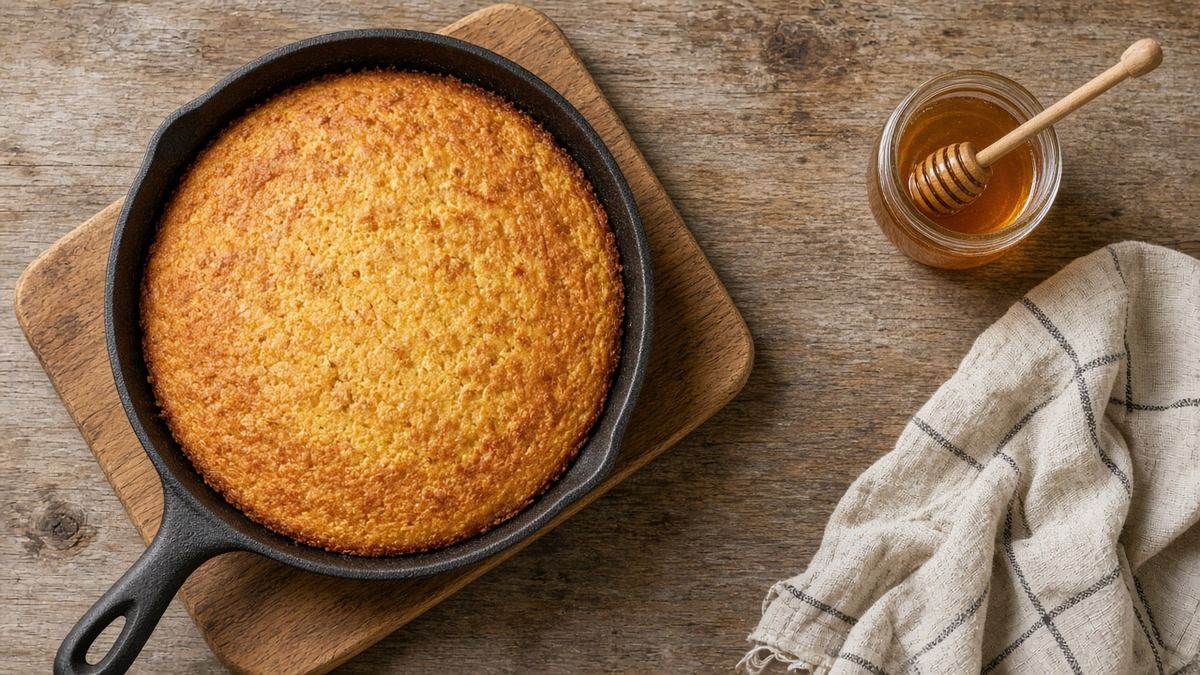
The classic Lodge is the pan many people picture when they think of cast iron, and it’s a bargain at about $25 to $35. It’s deeper than the Chef Collection and holds about 2 more cups, which helps for shallow frying, braises and deep-dish cornbread.
At about 8.5 pounds it’s heavy, and its short handle gets hot and gives less leverage, so a pot holder or handle sleeve is essential. Its pre-seasoning is serviceable but improves considerably with use. It will outlive almost any other pan in your kitchen.
Pros
- Very inexpensive
- Deep with extra capacity
- Practically indestructible
Cons
- Heavy
- Short handle
Are expensive skillets like Field and Smithey worth it?
Boutique makers such as Field Company and Smithey Ironware sell beautiful pans with smooth, polished cooking surfaces. Wirecutter tested them and found they didn’t cook noticeably better than Lodge. The smooth surface looks nicer but isn’t more nonstick in the long run, since seasoning builds up on any pan with use. Buy one if you love the craftsmanship or want a lighter heirloom-style piece, but you don’t need one to cook well.
If you want cast iron that needs no seasoning, consider enameled cast iron such as a Dutch oven; see our luxury cookware guide. Enamel won’t develop a nonstick patina and isn’t ideal for very high-heat searing, though.
What cast iron does best, and where it struggles
Cast iron heats slowly but holds heat exceptionally well, so a preheated pan doesn’t lose much temperature when you add a cold steak. That makes it ideal for searing, smash burgers, roasted vegetables, pan pizza, cornbread and shallow frying. It moves seamlessly from stovetop to oven to grill.
It’s less suited to delicate fish and eggs until the seasoning is well established, and its weight makes tossing food awkward. Because it heats unevenly over small burners, give it several minutes on medium heat, or warm it in the oven, before cooking. Its handles get hot, so keep a pot holder nearby.
What to look for
- Size: a 12-inch skillet fits a large steak or a family-size batch of vegetables; a 10-inch is lighter and easier for one or two people.
- Weight: heavier pans hold more heat but are harder to handle. Try lifting one with one hand before you buy.
- Handles: a long main handle and a helper handle make a full pan safer to move.
- Sides: sloped sides help with flipping; taller, straighter sides add capacity.
- Pour spouts: handy for draining fat.
How to season and care for cast iron
Seasoning is a layer of polymerized oil bonded to the iron that protects it from rust and keeps food from sticking. Most new pans come pre-seasoned, and cooking with fat, especially searing and shallow frying, builds it up. To reseason, scrub the pan, dry it on a burner, rub in a very thin layer of neutral oil, wipe off the excess and bake it upside down at a high temperature for about an hour.
Cleaning is simpler than its reputation. A little mild dish soap won’t hurt modern seasoning. Scrub with a brush or chain-mail scrubber, rinse, dry thoroughly over low heat and wipe in a few drops of oil. Never soak it or put it in the dishwasher, which will cause rust. If rust does appear, scrub it off with steel wool and reseason; a cast-iron pan is almost never ruined.
FAQ
Can I cook acidic foods in cast iron?
Short cooking with tomatoes, wine or citrus is fine in a well-seasoned pan, but long simmering can strip seasoning and give food a metallic taste. Use stainless or enameled cookware for long braises with acid.
Does cast iron work on induction and glass cooktops?
Yes, cast iron works on induction. On glass-top stoves, lift rather than slide the heavy pan to avoid scratches.
Is a smooth pan better than a pebbly one?
Not much. Seasoning fills in the texture over time, and Wirecutter didn’t find polished pans cooked better.
Why is my pan sticky?
Too much oil during seasoning. Bake it again at high heat, or scrub and apply a thinner coat.
The bottom line
For most cooks, the Lodge Chef Collection 12-inch Skillet is the cast-iron pan to buy: lighter, easier to handle and every bit as good at searing and baking as pans that cost far more. If you want the most capacity for the least money, the classic Lodge 12-inch is still a remarkable value.
Related LifetimeLuxury guides
- The best chef’s knives
- The best luxury cookware sets
- The best electric pressure cookers
- The best electric kettles
- The best slow cookers
- The best meat thermometers
- The best dish racks
- The best nonstick pans
- The best carbon steel pans
- The best pizza steels
- The best woks
- The best Dutch ovens
- The best sous vide machines